Metro Mass Transit Cites Bus Shortage, Assures Public Of Relief With Arrival Of New Buses
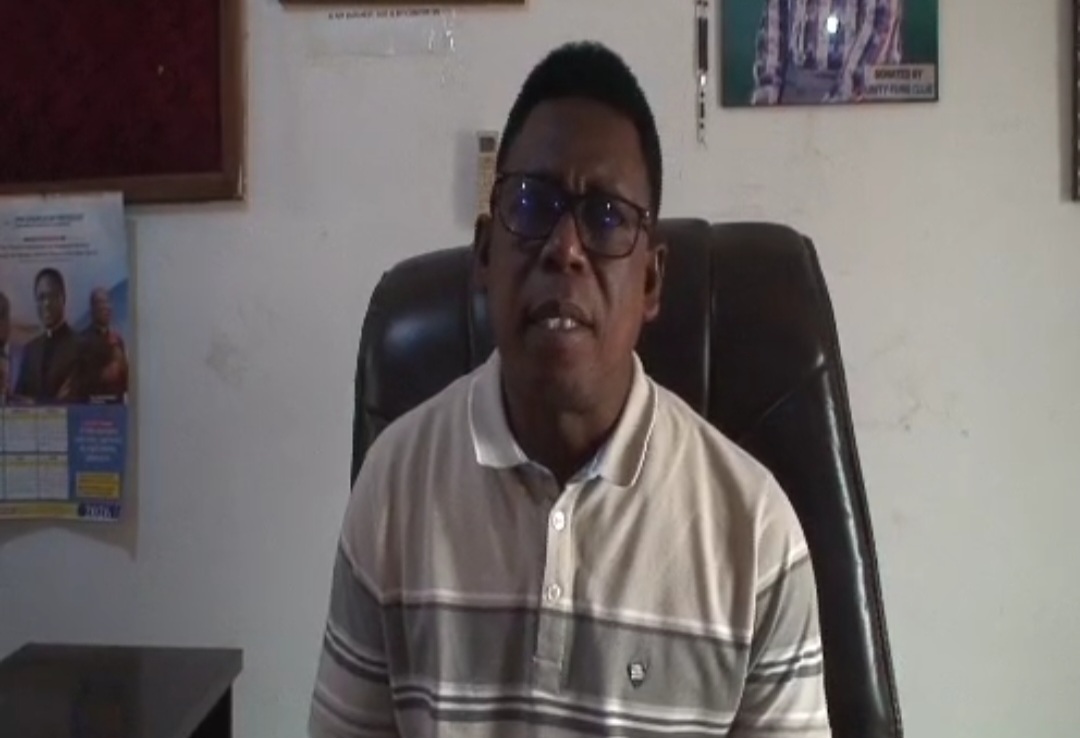
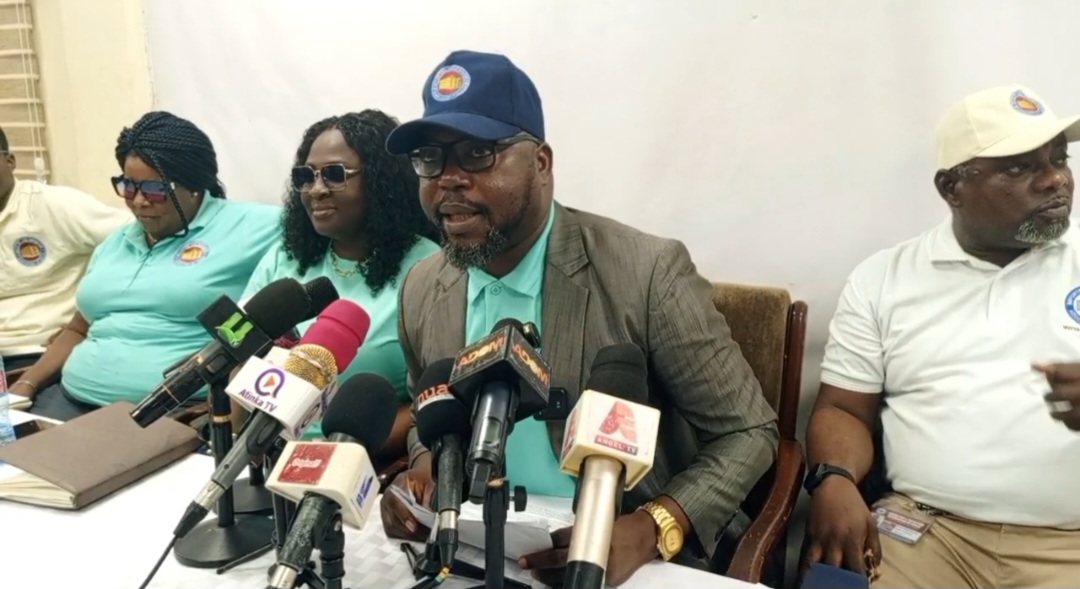
The Manager of Metro Mass Transit (MMT) at the A Terminal, Abrepo Junction, Mr. David Kwasi, has described recent public calls for improved transportation services as justified, noting that easing the transport burden on citizens remains a shared responsibility.

According to Mr. Kwasi, Metro Mass Transit’s mandate covers two key areas—intra-city (intra-service) and inter-city (inter-service) transportation.

He explained that the demands currently being made by passengers largely concern inter-city services, which the company is presently unable to expand due to a shortage of buses.

He recalled that in 2016, former President John Dramani Mahama introduced the Ayalolo bus system to support inter-city transport.
However, he alleged that many of the buses were later destroyed and poorly maintained, particularly during the period when the New Patriotic Party (NPP) was in government.

“At a point in 2016, Metro Mass Transit was operating about 1,000 buses nationwide. Today, we are left with only about 150 buses across the country,” Mr. Kwasi stated.

He added that although yellow buses were later introduced, they were brought in without the necessary equipment and spare parts, making repairs extremely difficult over the past eight years.
Mr. Kwasi expressed optimism about the future, announcing that Metro Mass Transit is expecting the delivery of 100 new buses in March, with additional buses to follow.
He said these buses will be used to strengthen transport services and reduce the hardship faced by commuters, especially during rush hours.
He further stated that former President Mahama has plans to revive the State Transport Company (STC) to further support public transportation and improve mobility nationwide.
In the interim, Mr. Kwasi noted that Metro Mass Transit is doing its best to manage rush-hour pressure by reassigning buses that are unable to return to their original routes to areas experiencing heavy passenger demand.
He also criticized the conduct of some trotro drivers, particularly the practice of “short-short” loading and unauthorized fare hikes.
Mr. Kwasi said that although fuel prices have reduced, some drivers continue to charge excessive fares, which he described as unacceptable.
“For example, the approved fare from Kejetia to Asuofua is six Ghana cedis, but some drivers are charging between ten and fifteen cedis. This is wrong,” he said.
He urged transport operators to adhere strictly to approved fares and regulations, stressing that the government’s agenda of “resetting Ghana” requires discipline and fairness from all stakeholders in the transport sector.
Story by Bismark Mensah@A/R.