UniMac–IL Rector Calls For Nationwide Communication Training As 300 KATH Staff Graduate
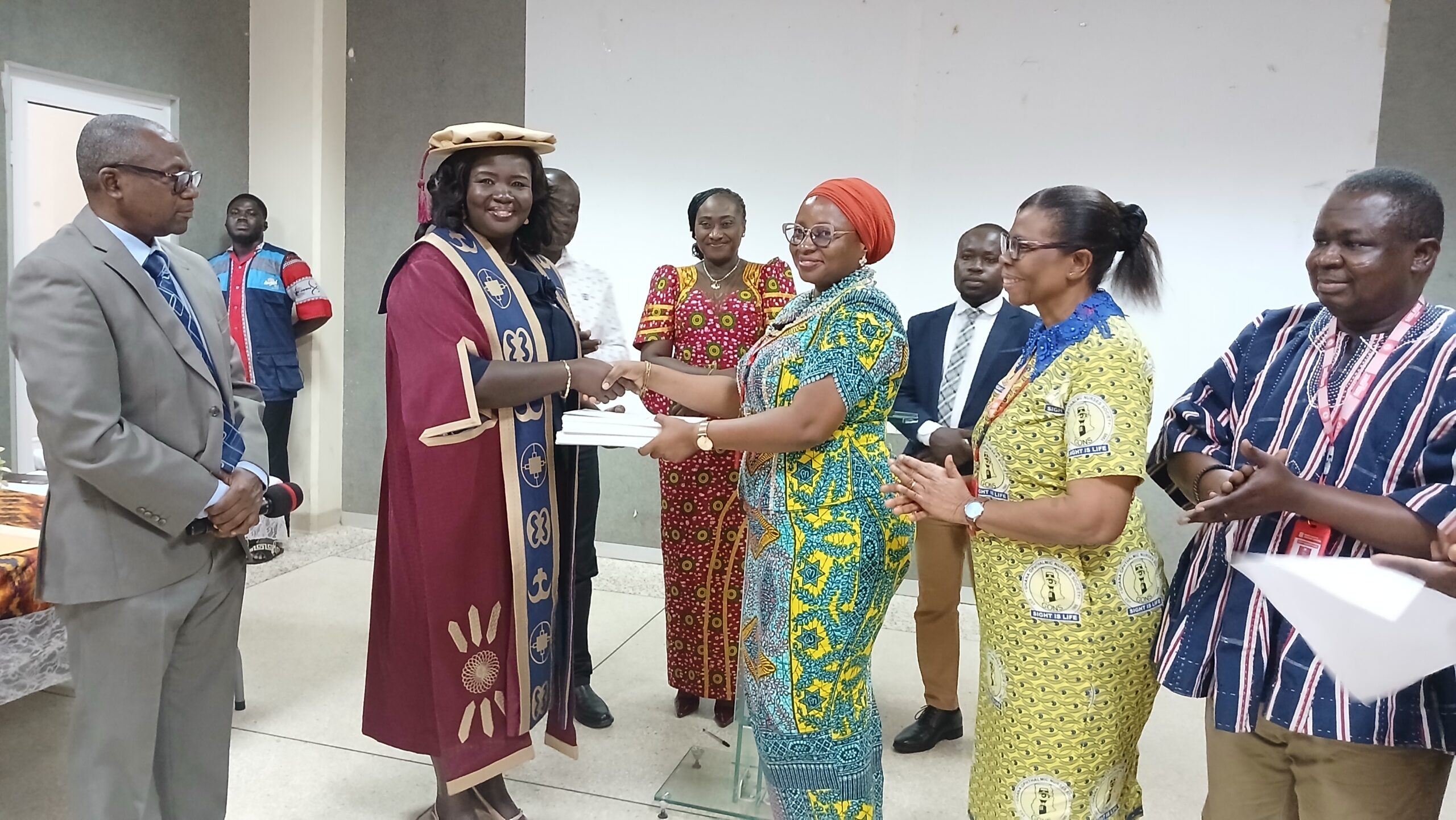
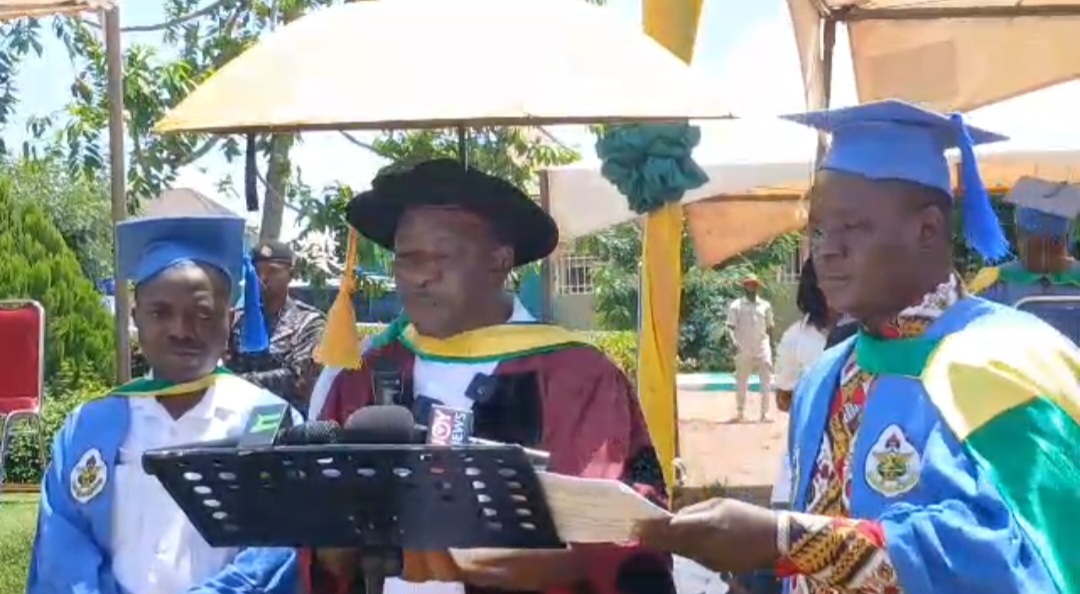
The Rector of the Institute of Languages, University of Media, Arts and Communication (UniMAC–IL), Professor Cecilia Addei , has made a strong national call for the institutionalisation of professional communication training across Ghana’s health sector and other sensitive public service institutions.

Speaking at the graduation ceremony of 300 staff of the Komfo Anokye Teaching Hospital (KATH) who successfully completed a professional communication programme, Prof. Addai emphasised that effective healthcare delivery in the 21st century goes beyond clinical expertise to include human connection, language use, and professionalism.

She explained that UniMAC–IL identified key programmes in communication, language, and usage that directly support health workers in their interaction with patients.

This led to a collaboration with KATH to train its staff in professional communication, writing, record keeping, and appropriate language use in healthcare settings.
According to Prof. Addei, the way health workers speak to patients and conduct themselves professionally can significantly reduce patient anxiety and pain, while poor communication can worsen a patient’s condition.

“There are many patients who come to the hospital, and how you talk to them matters. Professional communication can reduce pain, but a lack of it can increase suffering,” she noted.
She commended the visionary leadership of the Chief Executive Officer and Management of Komfo Anokye Teaching Hospital for investing in human capital.
Prof. Addai described the initiative as forward-thinking, stressing that while many institutions focus mainly on infrastructure and equipment, KATH has prioritised people the most critical asset in healthcare delivery.
The Rector highlighted that the programme was fully sponsored by the management of KATH, at no cost to the participants.
She urged the graduates to recognise the value of the opportunity and demonstrate professionalism in their writing, speech, and interaction with patients.
“If someone uses their own resources to train you, it means it is important.
You must go out there and showcase what you have learnt from the Institute of Languages,” she advised.
Prof. Addei further warned that poor writing and language use can distort information and negatively affect healthcare outcomes, underscoring the importance of accurate documentation and effective communication.
In a clear and urgent appeal, she called on the Ghana Health Service, the Honourable Minister of Health, and the Government of Ghana to make professional communication training a standard requirement across the health sector.
She also recommended extending such training to other critical public service areas, including security, education, immigration, social welfare, and local government administration.
Story by Bismark Mensah@A/R.