Digital Threats Are Real: WAJSIC Equips African Journalists With Skills To Stay Safe Online.
For many investigative journalists and activists in Africa, the biggest threat today does not come with a gun — it comes through their phones and laptops.
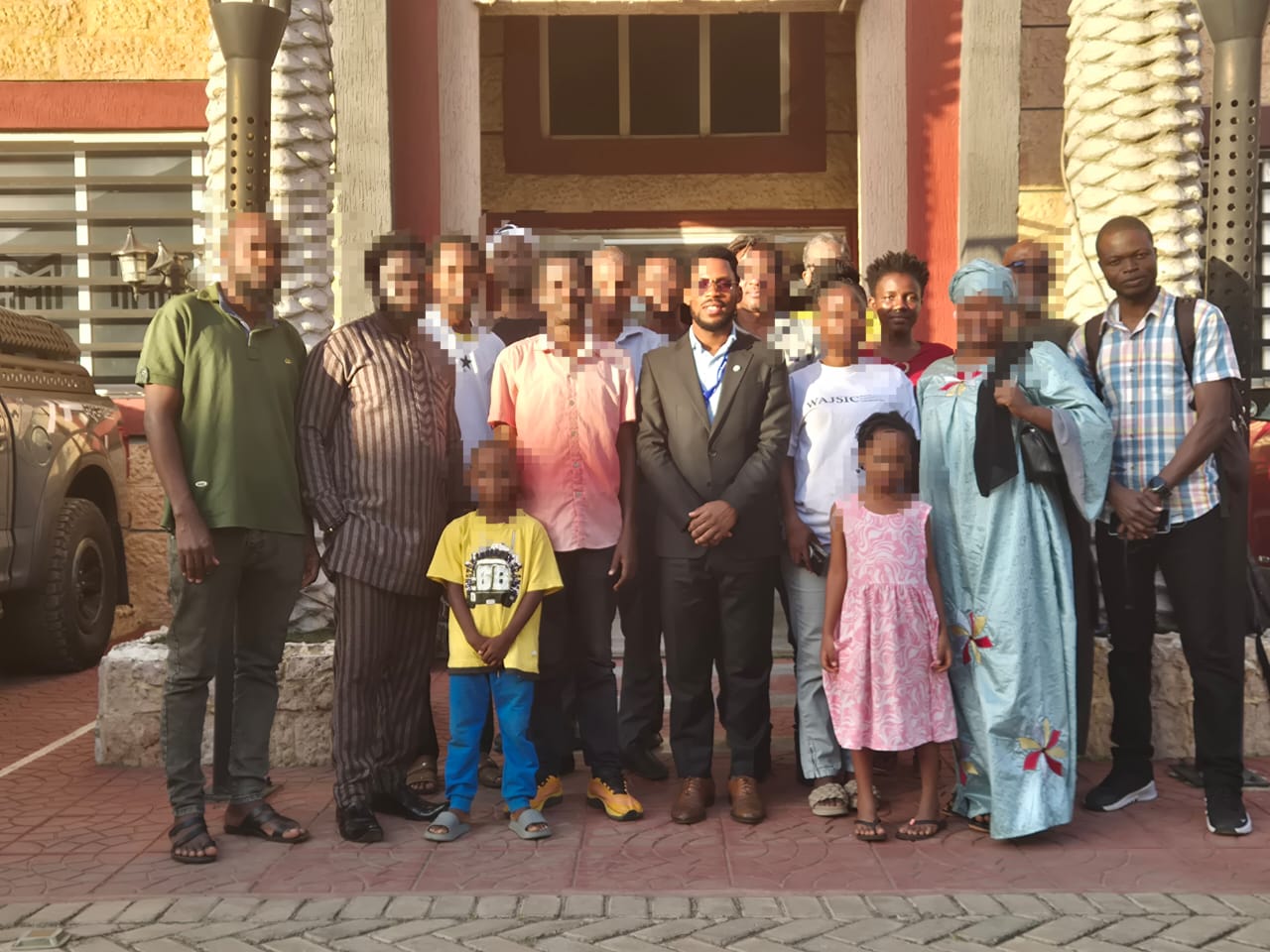
It is against this background that the Whistleblowers, Activists and Journalists Safety International Centre (WAJSIC) has held a 3-day residential training in Accra for journalists, whistleblowers and human rights defenders from across Africa.
The training focused on digital security and video editing techniques, two critical skills needed by frontline workers who often risk their lives to expose corruption and human rights abuses.
The workshop is part of WAJSIC’s ongoing regional project with support from the Shelter Initiative, aimed at strengthening the safety and resilience of accountability actors in the African sub-region.
Leading the technical sessions was Mr. Ephraim Gordor, a digital forensics expert from the e-Crime Bureau, who walked participants through real-life cases of hacking, phishing and surveillance.
He trained participants on secure communication, encrypted messaging, email protection and two-factor authentication, safe browsing with VPNs, device security, data protection and how to protect sources and sensitive documents from falling into the wrong hands.
Addressing participants at the opening, the Executive Director of WAJSIC, Mr. Abdoulai Diallo, said digital insecurity has become a major killer of good journalism in Africa.
“In an era of growing digital surveillance, many journalists and activists are vulnerable. Many have lost their data, their sources and even their lives because of poor digital hygiene.
This training is to ensure they can continue their important work without fear,” Mr. Diallo said.
Some participants who spoke said the training was an eye-opener.
One journalist from the sub-region, who has previously had her email hacked after publishing a corruption story, described the session as “life-saving”.
WAJSIC says it will continue to provide such practical trainings and ongoing technical support to its residents and alumni to ensure that no journalist or activist is silenced by digital attacks.
It is also calling on media houses, civil society organizations and development partners to treat digital safety not as an option, but as a core part of protecting press freedom and civic space in Africa.
By Abanga Poasan Bernice | Accra.