No More Imports – Ghana Has Enough Tomatoes, Says Agric Minister; Govt Rolls Out Regional Cultivation Plan.
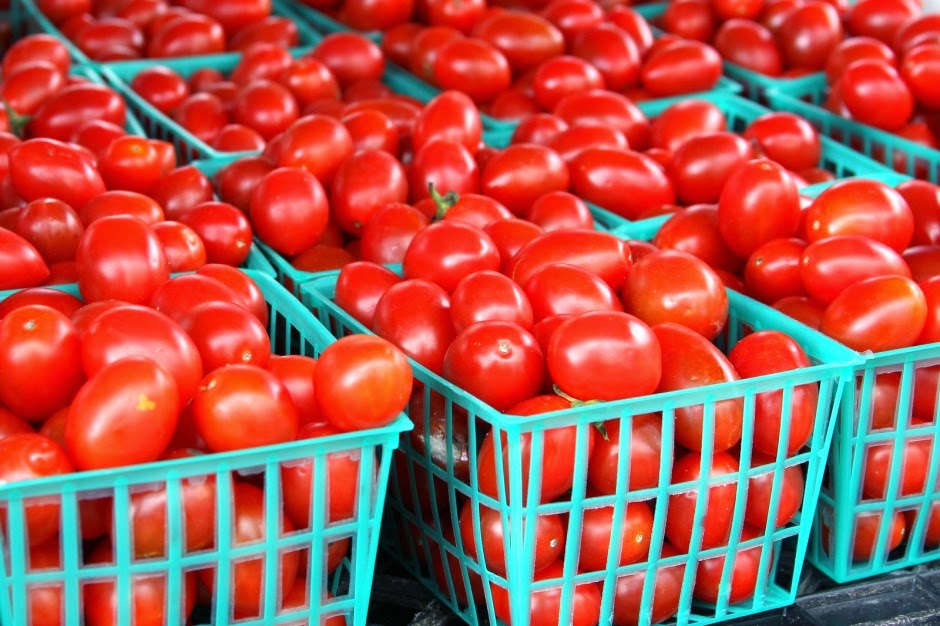
The Minister for Food and Agriculture, Hon. Eric Opoku, has declared an end to Ghana’s over-reliance on tomato imports from Burkina Faso and Togo, insisting that the country now has more than enough tomatoes to meet local demand.
Speaking at Kwadaso Agricultural college Minister said government has put in place a well-structured national plan to ensure all-year-round cultivation of tomatoes across the country.
According to him, the Ministry is working closely with the Council for Scientific and Industrial Research (CSIR) to develop and distribute high-yielding, disease-resistant tomato seeds to farmers nationwide to boost production.
“There are more tomatoes currently in the country than before. If you go to Akomadan and its environs, there are a lot of tomatoes on the farms.
What we have done is to divide the cultivation of tomatoes into zones and regions,” Hon. Opoku stated.
He explained that under the new cultivation calendar, tomato production has been strategically mapped across regions to ensure continuous supply:
From December to January, the Upper East Region will lead production with 500 hectares of tomatoes under irrigation.
After the Upper East season, production will shift to the Upper West Region and the Bono and Bono East Regions, which have also been prepared for large-scale cultivation.
This zoning strategy, the Minister said, is aimed at breaking the seasonal shortages that forced traders to travel to neighbouring countries to import tomatoes.
He therefore issued a strong appeal to tomato sellers, market women and aggregators to stop importing tomatoes and patronize locally produced ones.
“No one should go to Burkina Faso or Togo to import tomatoes anymore because we have more than enough in this country.
Our farmers are producing, and we must support them,” he urged.
Hon. Opoku added that government is not only focused on increasing production but also on reducing post-harvest losses, improving storage and processing, and linking farmers directly to markets to ensure that locally produced tomatoes remain fresh, affordable and competitive.
Story by Bismark Mensah@A/R.TOMATOES