GHS Trains Community Stakeholders On Ghana’s Abortion Law And Comprehensive Abortion Care.
The Ghana Health Service (GHS) in the Ashanti Region has intensified efforts to integrate Comprehensive Abortion Care (CAC) into routine reproductive health services as part of measures to reduce maternal deaths and complications associated with unsafe abortions.

The initiative forms part of efforts to strengthen public understanding of Ghana’s abortion law, address social stigma and improve access to safe and appropriate reproductive health services.

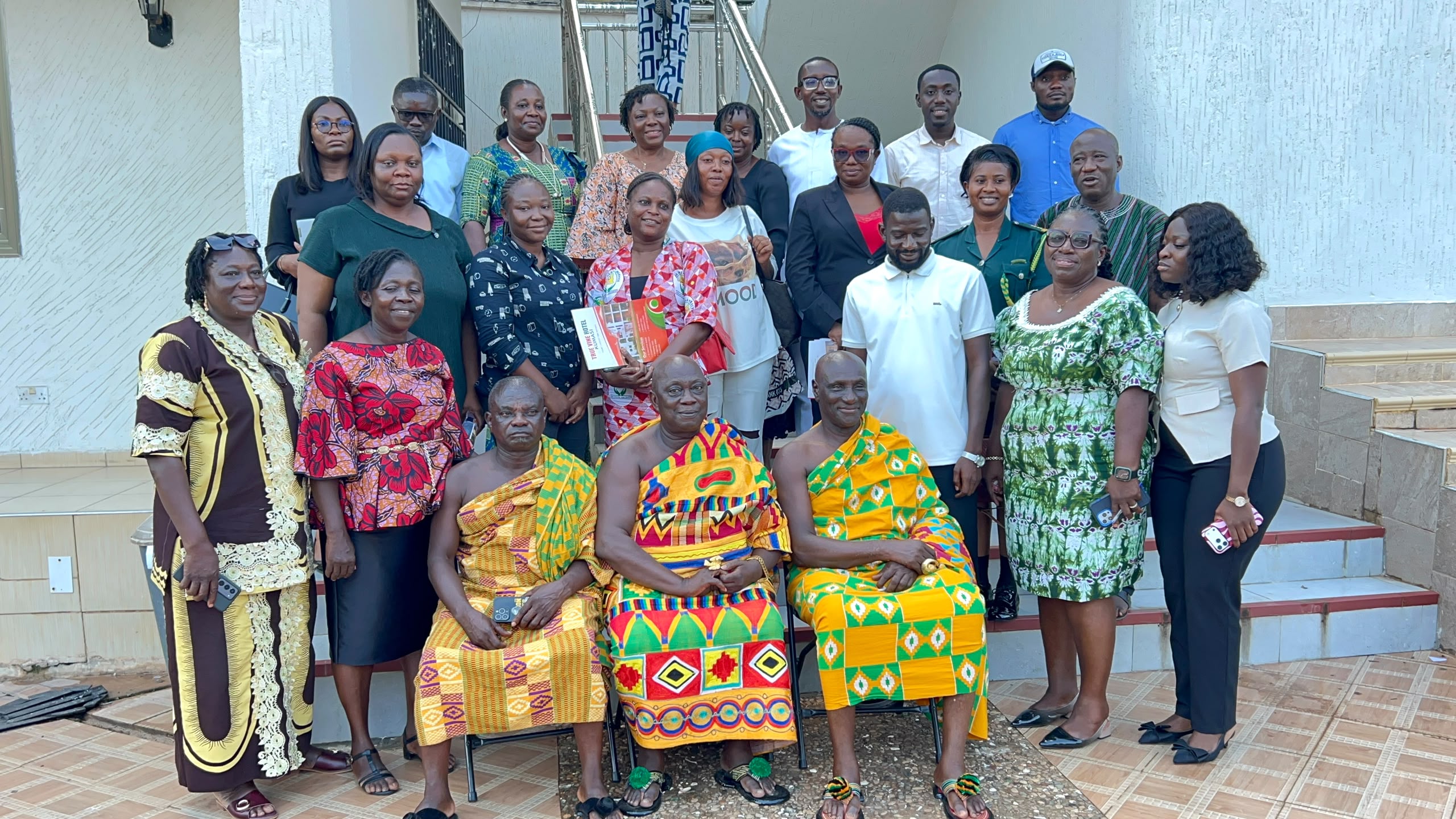
As part of the initiative, the Family Health Division of the Ghana Health Service, with support from Marie Stopes International, has organised a one-day stakeholder engagement in Kumasi to strengthen collaboration and coordination among key stakeholders towards the effective implementation of Ghana’s Abortion Law and Comprehensive Abortion Care Policy.

The engagement brought together traditional authorities, health professionals, security officers, lawyers, teachers, assembly members and other relevant stakeholders to build their understanding of the legal provisions governing abortion care and the importance of safe service delivery.

The training also sought to address misconceptions surrounding the country’s abortion law, tackle social stigma and strengthen referral systems between communities and health facilities to prevent complications and maternal deaths resulting from unsafe abortions.

Under Section 58 of the Criminal Offences Act, 1960 (Act 29), as amended by PNDC Law 102 in 1985, abortion is permitted under specific circumstances, including cases of rape, defilement or incest, threats to a woman’s physical or mental health or life, and where there is a substantial risk of severe physical abnormality or disease in the unborn child, provided the procedure is carried out by a registered medical practitioner in an approved facility.
Speaking at the engagement, the Ashanti Regional Chief Nursing Officer and Comprehensive Abortion Care Focal Person, Mrs. Jackline Victoria Ackah, explained that the engagement was aimed at equipping opinion leaders with the necessary knowledge to serve as “Community Champions” who would bridge the gap between legally available healthcare services and women who need them.

She noted that although Ghana’s abortion law permits the procedure under specific conditions, unsafe abortion continues to contribute significantly to preventable maternal deaths, making community-level education and stakeholder involvement essential.
Mrs. Ackah further disclosed that several individuals had already been trained as Community Champions and were making significant contributions towards improving awareness and access to appropriate services.
However, she observed that sustaining and expanding the programme required substantial financial resources and appealed to development partners and other stakeholders to support the Ghana Health Service with the necessary funding to organise such training programmes regularly.
She emphasised that sustained collaboration among health professionals, traditional authorities, security agencies and other community stakeholders was crucial to ensuring that women receive accurate reproductive health information and have access to appropriate healthcare services without stigma or discrimination.
End.