No Permit, No Utility” Policy Proposed To Curb Illegal Development Nationwide.

An Engineer and Lecturer at the Department of Soil Science, School of Agriculture, University of Cape Coast in the Central Region, has urged the Ministry of Local Government to adopt a “No Building Permit, No Utility” policy to curb the growing problem of unauthorized development nationwide.
Engr. Dr. Ebenezer Ankomah Gyamera made the call following a post‑mortem of the (2) two‑day national general clean‑up exercise ordered by President John Mahama and held across the country.
He said the proposed policy would shift development control from reacting to illegal structures after completion to preventing unauthorized occupation from the outset.
“If we implement a no permit, no utility policy, we will stop people from occupying buildings that were put up without approval.
The focus should be on prevention, not demolition after the fact.”
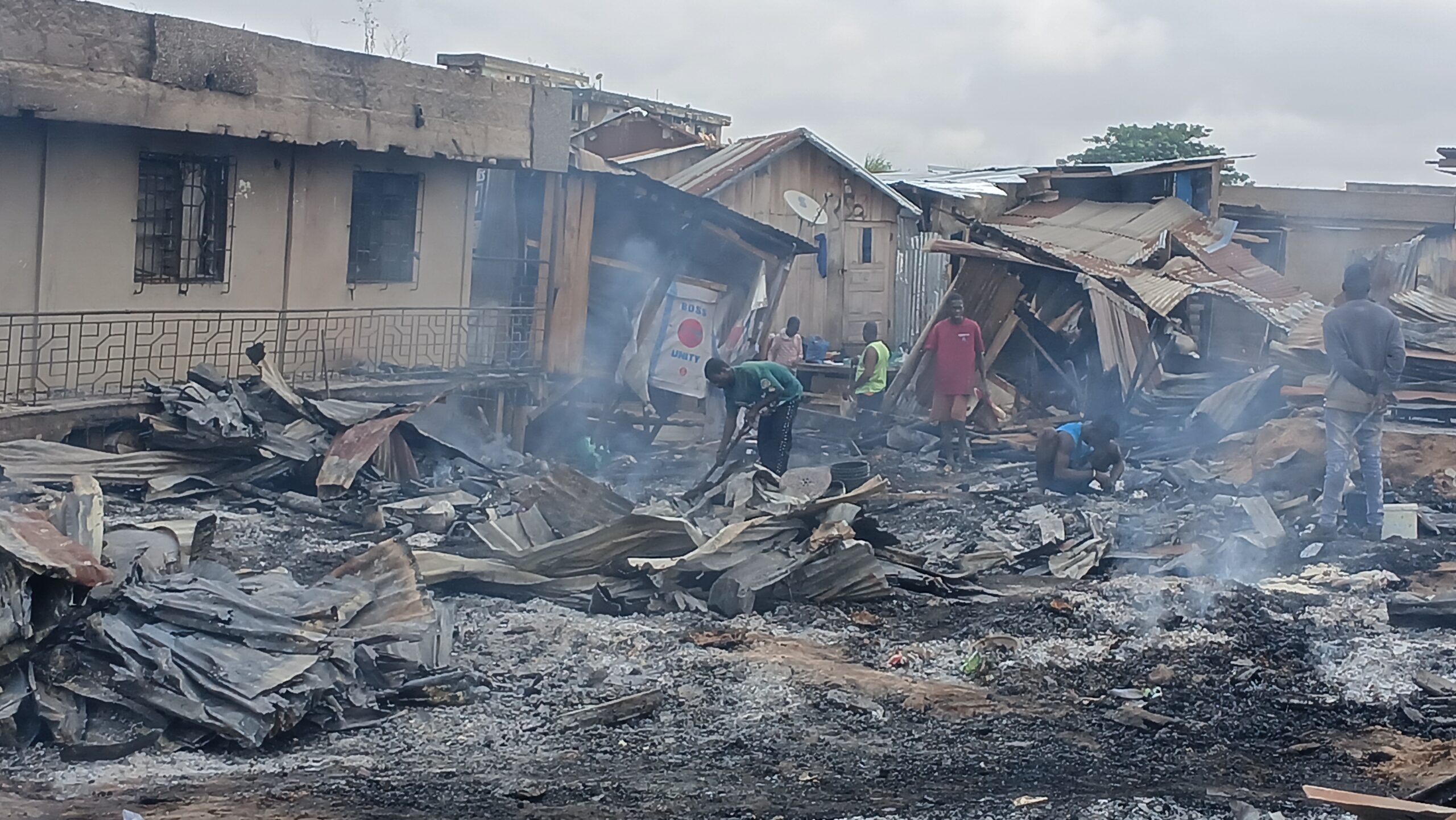
Speaking to media, he said many of the sanitation and flooding problems revealed during the clean‑up are tied to unplanned buildings, blocked drains, and structures erected in waterways without permits.
Dr. Gyamera added that under the proposed approach, utility providers such as the Electricity Company of Ghana, ECG, and Ghana Water would be required to demand proof of a valid building permit and an occupancy permit before connecting electricity and water to new structures.
He said such a requirement would create a strong incentive for developers to comply with planning laws.
“When developers know they cannot access basic utilities without approval, it will force compliance and reduce the pressure on assemblies to demolish completed structures,” he said.
Furthermore,Engr. Dr. Ebenezer Ankomah Gyamera strongly emphasized that the absence or low turnout of traditional leaders discourages community participation in the clean-up exercise.
He said: “chiefs hold vital moral authority and customary influence their direct involvement, such as the active leadership shown in their communities, is what really drives people to come out and participate.”
His assessment noted that during the two-day exercise directed by President John Mahama, many communities recorded poor turnout largely because traditional authorities were not visibly leading.
The lecturer appealed to chiefs and queen mothers to take ownership of sanitation drives in their areas to ensure their success.
“Respectfully, i would like to appeal to our traditional leaders to ensure the success of sanitation exercise drives in the community because when the chief leads, the people follow.”
END.