Best Way To Fight Against Illegal Mining Is To Train Traditional Leaders Their Role In Responsible Mineral Governace.
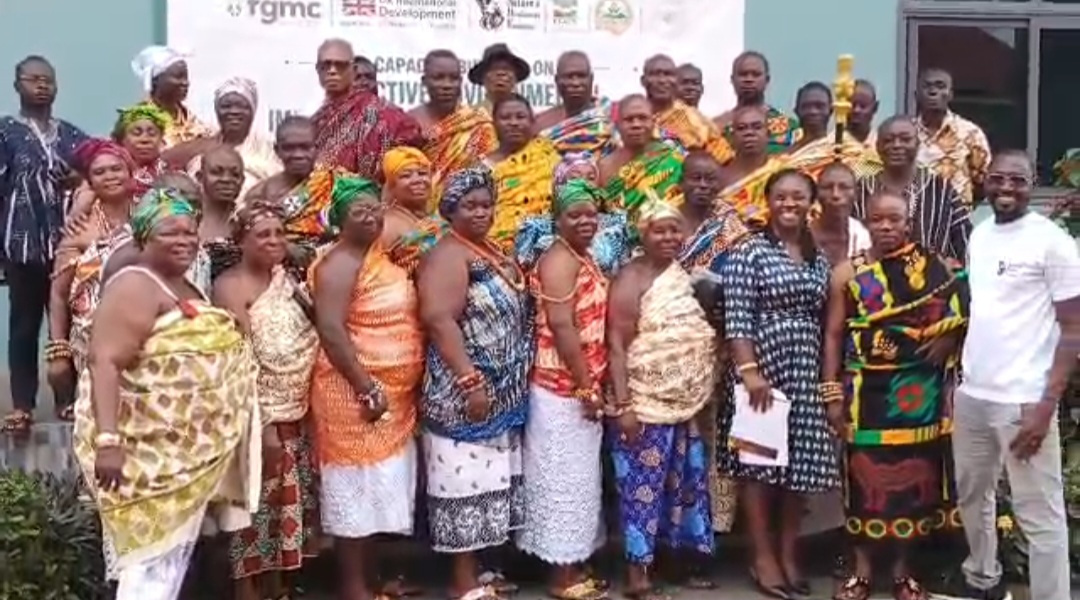
NDF Training Strengthens Traditional Leaders’ Role in Responsible Mineral Governance
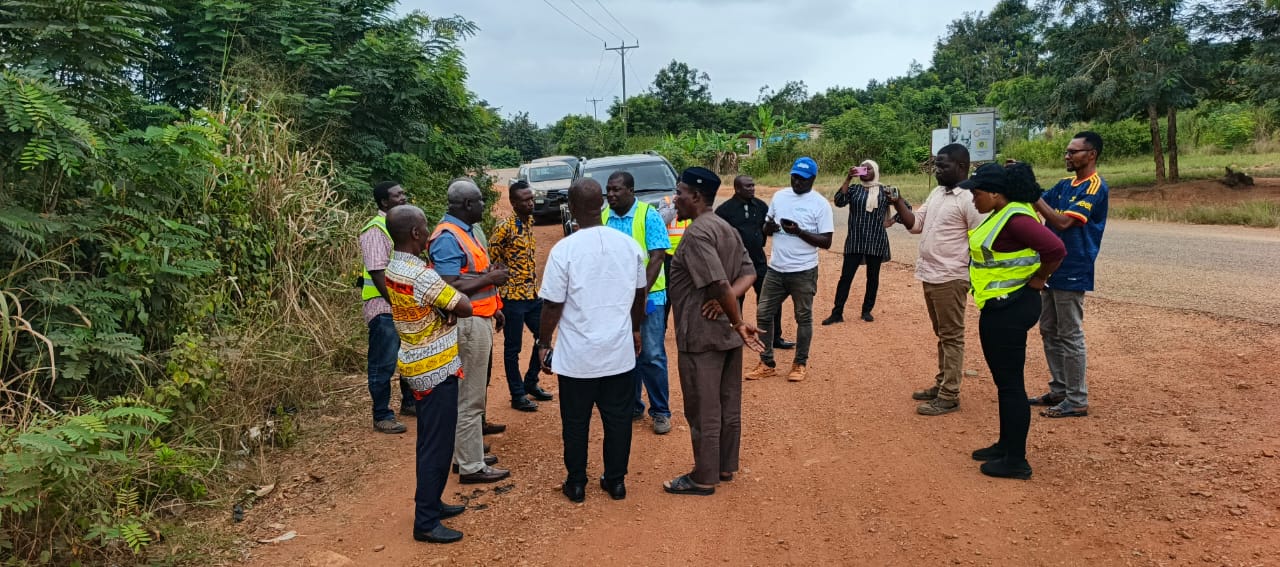
The Nature and Development Foundation (NDF) has successfully conducted a capacity-building programme in the Bibiani-Anhwiaso-Bekwai Municipality in the Western North Region, aimed at strengthening traditional leaders’ capacity to engage effectively in mineral governance and protect the interests of their communities.
The training focused on Effective Environmental Impact Assessment (EIA) Engagement and Free, Prior and Informed Consent (FPIC) in Mineral Governance in Ghana, bringing together traditional authorities to deepen their knowledge, exchange perspectives and strengthen their ability to engage mining companies and government institutions.
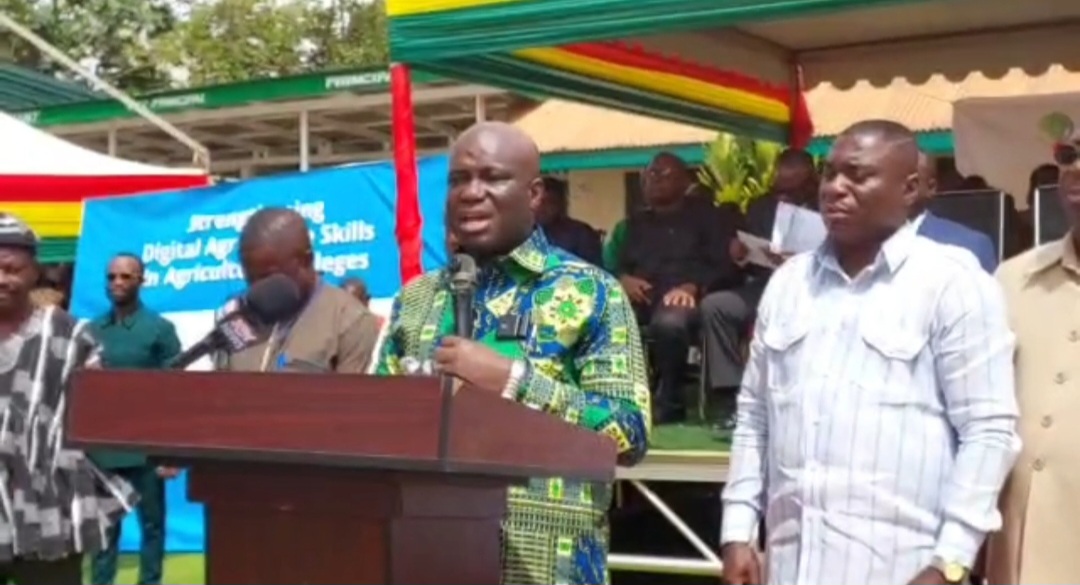
Mustapha Seidu, Director of the Nature and Development Foundation (NDF).
Speaking at the event, the Director of the Nature and Development Foundation (NDF), Mustapha Seidu, stressed the importance of involving traditional leaders in mineral governance in Ghana.
*The custodian of the land belongs to the chiefs, he said, noting that traditional leaders have an important role in decisions concerning mining activities in their communities.
Mr. Seidu said the training was designed to educate traditional leaders on the need to engage mining companies after they obtain mining permits.
He explained that such engagement would help chiefs understand mining activities and protect the interests of their communities.
Mr. Seidu added that empowering traditional leaders would promote stronger community participation and responsible mineral governance.
Representing the Minerals Commission, Mr Emmanuel Oppong Arthur said chiefs and queenmothers should be actively engaged throughout the mineral licensing process and should not be sidelined once mining companies begin operations in their communities.
According to him, greater community involvement in the review of mining licences would promote transparency and ensure that the concerns of affected communities are properly considered.
“Minerals may be vested in the state, but chiefs remain custodians of the land. Their role is vital in protecting community interests,” he said.
Mr. Asamoah Sintim, a representative of the Environmental Protection Agency (EPA), outlined the agency’s role in ensuring that mining companies meet environmental requirements through Environmental Impact Assessments (EIAs).
He said EIAs must address key environmental and community concerns, including soil erosion, air pollution, dust, noise, chemical waste and commitments to community development.
Mr. Sintim stressed that before a mining licence is granted, the EPA must ensure that mining companies meet the required environmental standards and put measures in place to minimise the impact of their operations.
“The duty of the EPA in environmental impact assessment is to put the miners on their toes,” he said, emphasising the importance of effective environmental oversight in protecting lives, livelihoods and sacred sites.
Mr. Sintim also highlighted Free, Prior and Informed Consent (FPIC) as a major focus of the training.
He urged traditional leaders to insist on genuine consultation with communities before mining permits are granted.
He said the FPIC principle requires meaningful engagement without coercion, bribery or manipulation, allowing communities to make informed decisions about activities that may affect their lands and livelihoods.
The training also provided an opportunity for traditional leaders to share their experiences and concerns about mining activities in their respective communities.
A key concern raised was the need for chiefs, queenmothers and other traditional leaders to unite and push for the enactment of a Corporate Social Responsibility (CSR) Act to ensure mining companies meet clear and enforceable responsibilities to affected communities.
Nana Kwadwo Somiah II, Abakomahene of the Anhwiaso Traditional Council
The Abakomahene of the Anhwiaso Traditional Council, Nana Kwadwo Somiah II, called for a clear legal framework to define the responsibilities of mining companies and ensure that mining communities receive meaningful and lasting benefits.
Nana Kwadwo Somiah II said communities should benefit from more than symbolic gestures such as the construction of durbar grounds or boreholes.
He proposed that the law could require a fixed percentage of mining revenues to be allocated to essential social amenities, including clean water, schools and health facilities.
According to him, such a framework would ensure that community development does not depend on the goodwill of mining companies but becomes a binding obligation linked to the exploitation of mineral resources.
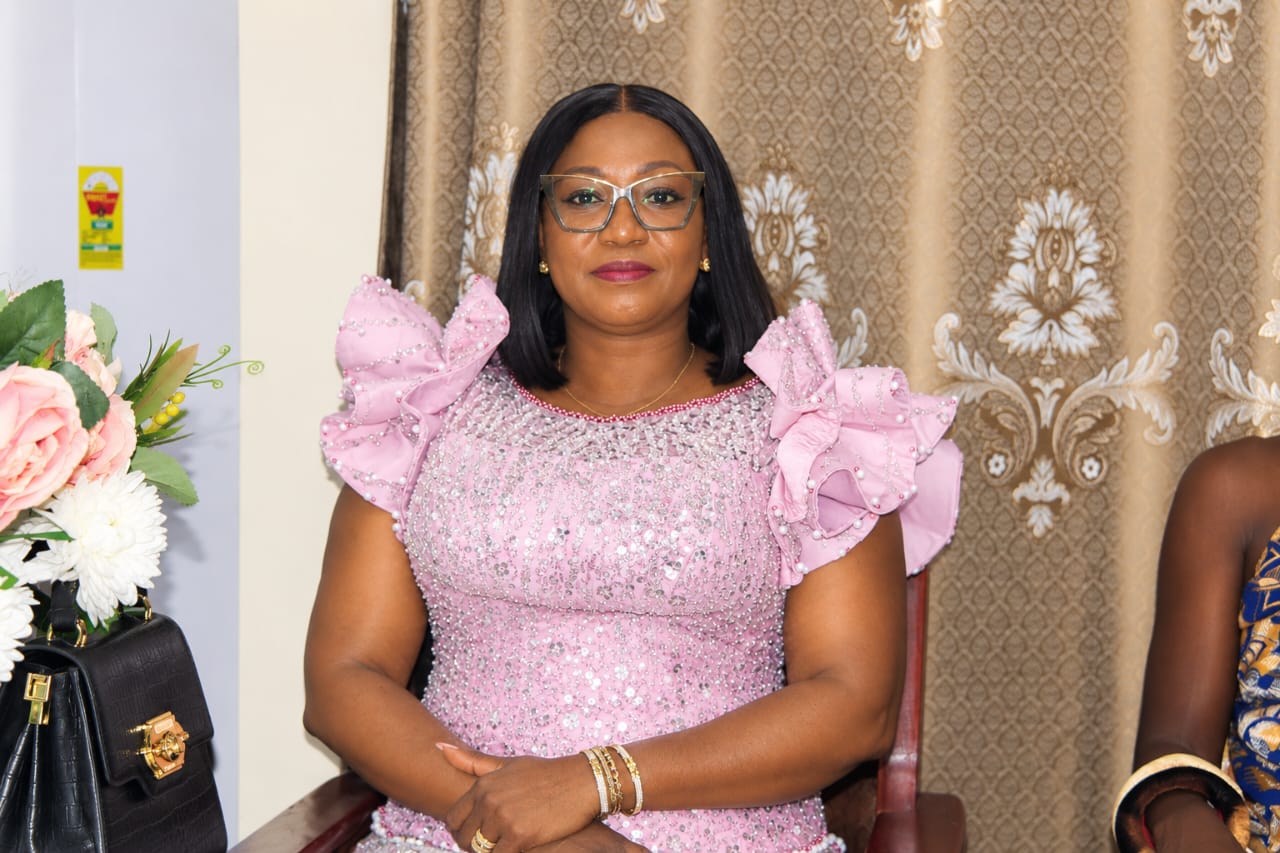
Nana Ama Ayaa, Queenmother of Ntakam.
On her part, the Queenmother of Ntakam, Nana Ama Ayaa, raised concerns about the challenges traditional leaders face in ensuring proper consultation with mining companies.
“It’s not solely the fault of chiefs and queenmothers, but miners often come with documents or calls from above, leaving little room for proper consultation,” she said.
Other participants also highlighted the difficulty of monitoring mining companies’ compliance and protecting cultural heritage while balancing state ownership of minerals with their traditional custodial responsibilities.
For Bibiani and other mining communities, the message was clear: responsible mineral development *requires meaningful participation*, access to information and respect for community rights.
Strengthening traditional authorities is therefore essential to ensuring that Ghana’s mineral wealth supports sustainable development while protecting the environment and future generations.
The project *Advancing Good Forest and Mineral Governance* to Reduce the Contribution of Timber Trade and Mining to Deforestation in Ghana, Liberia, and Cameroon” is funded by UK International Development from the UK government through the Forest Governance Market and Climate program and support by the European Union in Ghana through the BRACE project.
Asamoah Sintim from Environmental Protection Authority (EPA) Stressed on how mining licence is granted to mining companies.
Nana Kwadwo Somiah II Abakomahene of the Sefwi Anhwiaso Traditional Council call for Legal framework to define responsible mining.
Queen mother of Sefwi Antakamu “It’s not solely the fault of Chiefs and Queen mothers but Miners Often come with documents or call from above without proper consultation,” She Said.
Story by: Kofi Gyabaah Prof Adehyie FM Bibiani and Angel TV Reporter WNR.