Food Vendors Raise Alarm Over 2027 Styrofoam Ban, Urge Government To Rethink And Provide Support.
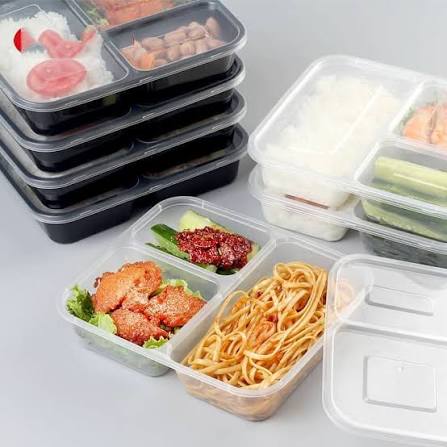
Food vendors and small-scale traders across the ashanti region have raised concerns over the government’s decision to ban polystyrene foam products, warning that the directive could severely affect their businesses and financial stability.
The Environmental Protection Authority (EPA) announced that the ban on the production, importation, distribution, sale, and use of polystyrene foam products, popularly known as “Styrofoam” or “Takeaway Packs,” will take effect on 1st January 2027.
The policy was announced by President John Dramani Mahama on 5th June 2025 during World Environment Day celebrations as part of efforts to curb plastic pollution and protect public health.
The ban covers food packaging containers, disposable cups and plates, foam packs used by chop bars and restaurants, insulation materials, mattresses, and other EPS products used for human consumption-related activities. Medical, scientific, and laboratory EPS products are exempt.
While environmental groups have welcomed the move, vendors who rely heavily on cheap Styrofoam containers say the ban will hit them hard.
Speaking in an interview with Angel Tv News reporter Bismark Mensah, some vendors disclosed that the sudden shift away from Styrofoam would increase their operational costs. “People prefer using these products because they are affordable.
The ban issued by the EPA and government will really affect us negatively,” one vendor said.
They argue that alternatives such as paper, reusable containers are more expensive and less accessible for small businesses operating on thin margins.
Many fear customers may be unwilling to pay higher prices, leading to reduced sales and financial strain.
The vendors are appealing to government to reconsider aspects of the decision and put proper measures in place to cushion the impact.
Some also asked if government is going to provide other alternative to replace takeaway and others.
Food vendors and small-scale traders across the ashanti region have raised concerns over the government’s decision to ban polystyrene foam products, warning that the directive could severely affect their businesses and financial stability.
The Environmental Protection Authority (EPA) announced that the ban on the production, importation, distribution, sale, and use of polystyrene foam products, popularly known as “Styrofoam” or “Takeaway Packs,” will take effect on 1st January 2027.
The policy was announced by President John Dramani Mahama on 5th June 2025 during World Environment Day celebrations as part of efforts to curb plastic pollution and protect public health.
The ban covers food packaging containers, disposable cups and plates, foam packs used by chop bars and restaurants, insulation materials, mattresses, and other EPS products used for human consumption-related activities. Medical, scientific, and laboratory EPS products are exempt.
While environmental groups have welcomed the move, vendors who rely heavily on cheap Styrofoam containers say the ban will hit them hard.
Speaking in an interview with Angel Tv News reporter Bismark Mensah, some vendors disclosed that the sudden shift away from Styrofoam would increase their operational costs. “People prefer using these products because they are affordable.
The ban issued by the EPA and government will really affect us negatively,” one vendor said.
They argue that alternatives such as paper, reusable containers are more expensive and less accessible for small businesses operating on thin margins.
Many fear customers may be unwilling to pay higher prices, leading to reduced sales and financial strain.
The vendors are appealing to government to reconsider aspects of the decision and put proper measures in place to cushion the impact.
Some also asked if government is going to provide other alternative to replace takeaway and others.
End.